
Lily Yu — General Manager, YucaiFJ (Fujian Yucai Industrial Development Co., Ltd.)
General Manager of YucaiFJ – 15 years running swimwear production and scheduling every stage from sampling to shipping for global DTC and wholesale brands. These are the lead-time realities and shortcuts I wish every buyer planned around before their first order.
🔗 Lily Yu on LinkedIn · 📧 [email protected] · Factory & Certifications →
A realistic swimwear manufacturing lead time runs roughly 6–10 weeks from confirmed brief to door: 7–10 days for sampling (a fast 48–72 hour sample is possible for simple styles), 20–30 days for bulk production, and 14–30 days for sea freight depending on destination. For a first EU order, budget 12 weeks to absorb sample rounds and customs. The three levers that move this number are fabric (stocked vs custom), print (digital vs dyed) and order size. Need it faster? The same order can compress to roughly 5–6 weeks with stocked fabric, digital printing and air freight. The clock starts from confirmed payment, not from your first enquiry — confirm that start point in writing.
Phase-by-Phase Swimwear Lead Time Breakdown
When a buyer asks me “how long will this take?”, I never answer with one number — I answer with a timeline of stages, because each stage has its own floor and its own risk. Here is the honest shape of a standard first order, from confirmed brief to goods at your door:
| Stage | Typical time | What happens behind the scenes | Runs in parallel? |
|---|---|---|---|
| Sampling | 7–10 days (fast 48–72 h) | Pattern, first sample, fit approval | Yes — with fabric sourcing |
| Fabric & trim lock | 3–7 days (stocked) | Colour / strike-off approval, fabric testing | Yes — with sampling |
| Bulk production | 20–30 days | Cutting, printing, sewing, in-line QC | No — sequential |
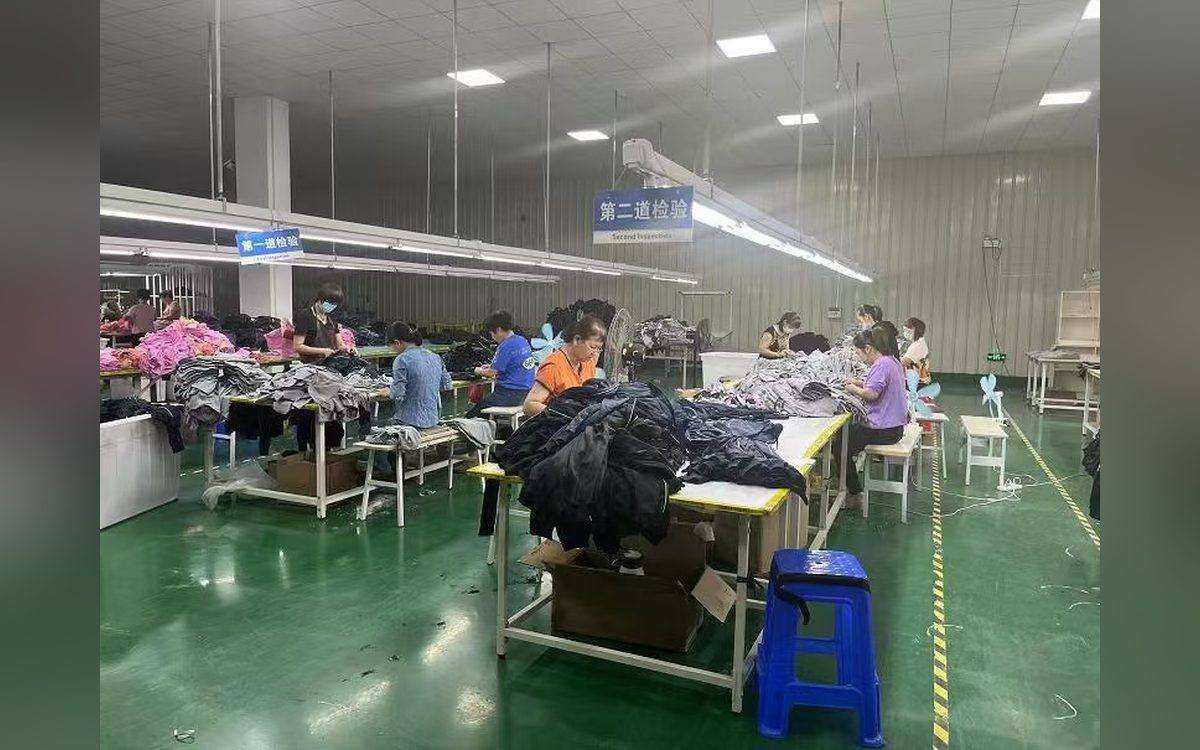
| QC & packing | 2–5 days | AQL 2.5 final inspection, labels, cartons | Partly — packing starts during QC |
| Sea freight | 14–30 days | Port to port plus customs | No — after packing |
Sea freight by destination (door-to-door estimates):
- Australia (Sydney): roughly 14–20 days
- US West Coast (Los Angeles): roughly 20–25 days
- Europe (Hamburg): roughly 25–30 days
Add those up and a standard order lands at roughly 6–10 weeks. The stage most buyers underestimate is not production — it is sea freight and customs, which no factory can compress. That is why the smartest brands plan backwards from their launch date, not forwards from their order date.
USA vs. Overseas Manufacturing: The Lead Time Trade-off
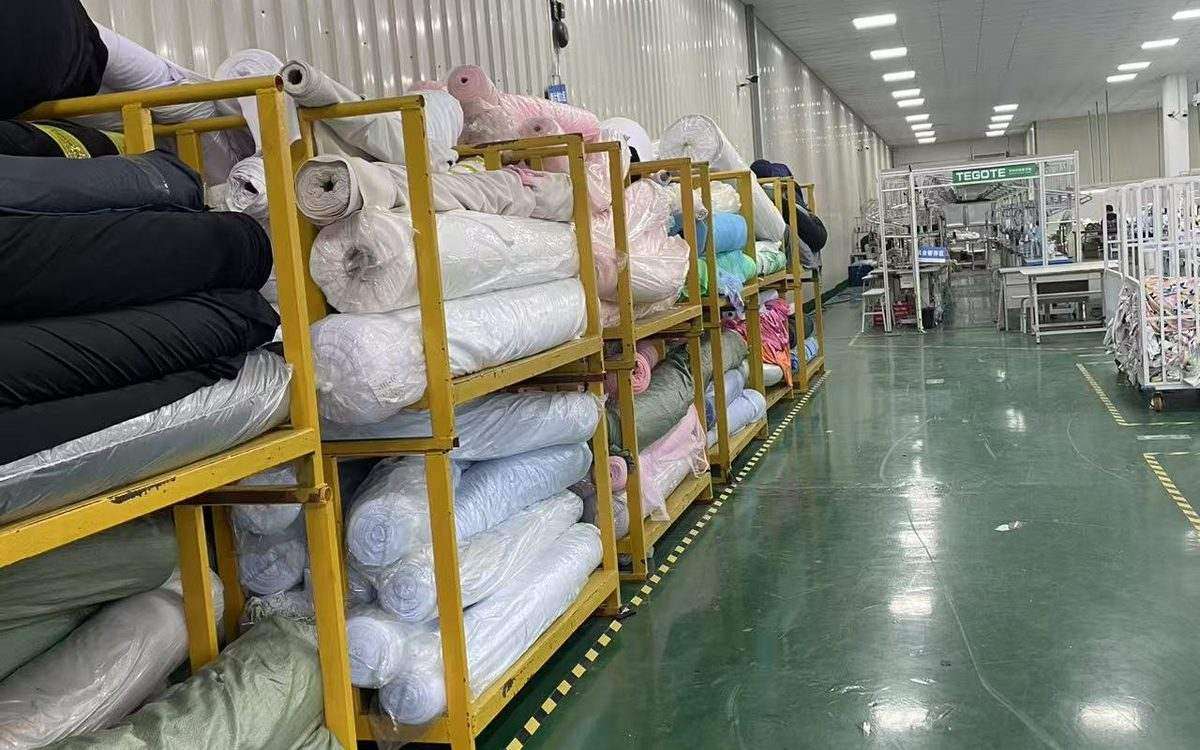
Not every brand should manufacture overseas. If you need emergency restock, a domestic line wins on speed; if you need margin and a full collection, overseas wins on cost and capacity. Here is the honest comparison I walk every client through:
| Dimension | USA / domestic production | Overseas (China, mid-to-large factory) |
|---|---|---|
| Bulk production | 2–4 weeks (great for urgent restock) | 20–30 days (standard bulk cycle) |
| Sampling & development | Often 4–8 weeks (supply chain less complete) | 48–72 h to 7–10 days (full in-house pattern & trim) |
| MOQ | Often 100+ pcs per style | from 50 pcs per colorway |
| Shipping | 2–5 days domestic | 14–30 days sea / 4–7 days air |
| Unit cost (FOB) | Higher (labour & rent) | Competitive (stocked fabrics at scale) |
The trade-off is not “fast vs slow” — it is “urgent small batch vs planned collection”. Most brands run both: overseas for their main line, domestic for emergency restock. Decide which job the order is doing before you compare lead times, or you will compare apples to oranges.
The Backward Launch Planner: Count Backwards from Summer
The fastest way to miss a deadline is to plan forwards. Professional buyers start from the launch date and count backwards, adding a buffer at every stage. Here is a real worked example — a brand launching in Europe on May 1:
- May 1 — new collection goes live.
- Minus 7 days (Apr 24) — warehouse receipt, listing and product photography.
- Minus 25–30 days (late Mar) — sea freight and customs, with a 7-day clearance buffer.
- Minus 20–30 days (late Feb) — bulk sewing, AQL 2.5 inspection and packing.
- Minus 7–10 days (mid Feb) — approve the pre-production sample and pay the deposit; fabric cutting starts.
- Minus 10–14 days (early Feb) — sample confirmation, colour / strike-off matching, grading.
The golden rule: to launch in May, your tech pack and sample fee should be with the factory by early February — not April. Build this calendar once and every season gets easier. If your launch is in Australia or New Zealand, shift the whole calendar by roughly six months.
Send us your drop date and we’ll reply with your exact cut-off order date — within 4 business hours.
Calculate My Order Deadline →
3 Supply Chain Decisions That Quietly Cut Your Lead Time
These are the three levers I pull when a deadline is tight — and none of them involve cutting corners on quality:
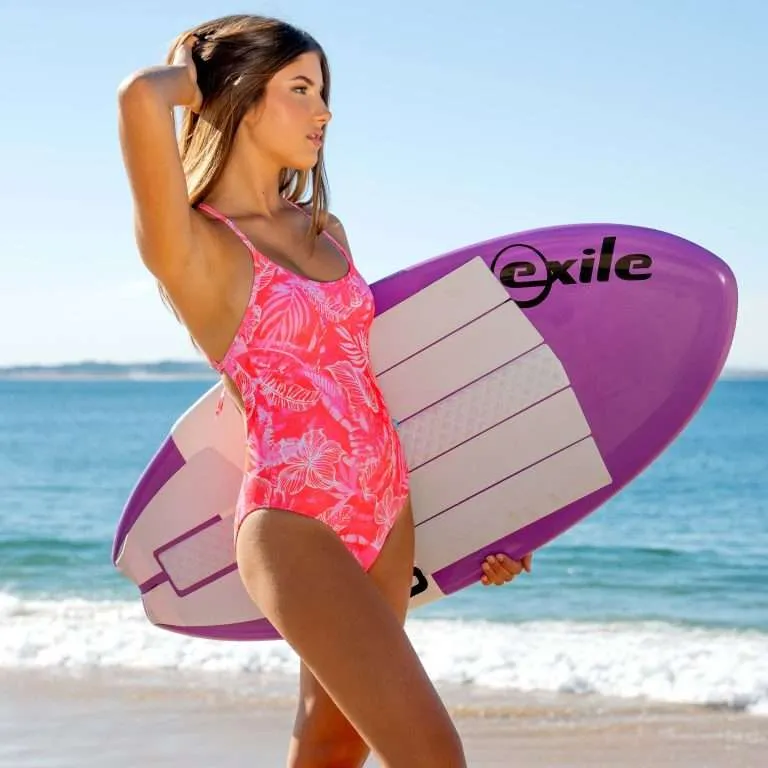
- Design around stocked fabric. We keep white greige nylon and polyester on standard rolls (over 5,000 metres in the Xiamen cutting room), so a design can go straight to cutting and save the 5–10 day fabric-ordering wait. Custom-dyed solid colours are where the 15–30 day waits come from.
- Use digital sublimation for custom looks. Digital printing runs straight onto white fabric with no dye-vat minimum and no screen plates — a custom print can start from roughly 30 pieces and arrive in days, saving 2–3 weeks over a batch-dyed solid colour.
- Ask about 3D sampling before physical samples. A digital twin in CLO 3D or Browzwear lets you check silhouette, print placement and proportion on screen before any fabric is cut — skipping the first physical round of stretching and shipping — which cuts the back-and-forth sample rounds roughly in half. Those physical rounds are where first orders quietly lose weeks.
Run these three together — stocked fabric + digital print + 3D sampling in parallel with approval — and a standard order can compress from 6–10 weeks to roughly 5–6 weeks.
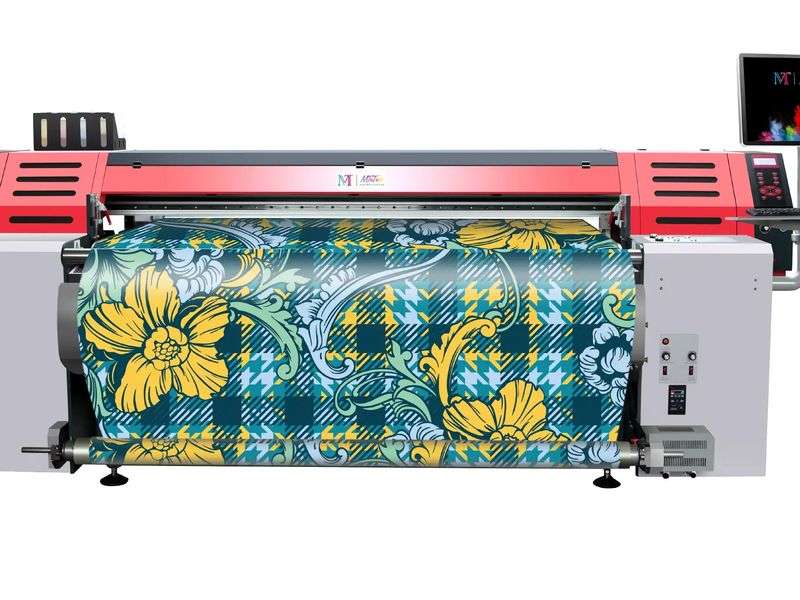
Before you brief a timeline, feel the fabric. We post a physical YucaiFJ swimwear swatch book with nylon, polyester, recycled and premium finishes so you can lock your fabric early and skip the longest stage. The book is 100% free — we cover standard post, or we can send it on your DHL / FedEx account for express.
Request My Free Swatch Book →
Lead Time Risks: What Actually Delays Your Order
Every swimwear delay I have seen in 15 years falls into a small set of known risks — and almost all of them are preventable if you plan for them up front:
- Fabric that was not actually stocked. A “stocked” fabric that turns out to be a 3-week order. Fix: ask for the exact fabric code and on-hand quantity in writing.
- Endless sample rounds. Fit and colour changes without a written approval process. Fix: one approval owner, sign off in writing, and use 3D sampling to kill the first round.
- Certification at the port. If you market GRS or OEKO-TEX, a missing Transaction Certificate (TC) or label check can hold a container at EU or US customs for 2–3 weeks — and a wrong HS code (swimwear is usually 6112) triggers the same delay. Fix: lock the batch TC and HS code with the factory before cutting, not at shipment.
- Chinese New Year (CNY). Factories typically slow down from mid-January through late February, and the weeks before the holiday are the busiest of the year. Fix: place your order against the CNY calendar, or accept the pre-holiday queue.
- The peak-season stampede. Peak production runs roughly November through March — ordering in March for a May launch means every line and dye house is full. Fix: order against the backward planner, not your urgency.
The common thread: every one of these is a planning risk, not a production risk. The factory that warns you about them up front is the factory that will actually deliver on time.
Frequently Asked Questions
How long does swimwear manufacturing take?
A realistic lead time runs roughly 6–10 weeks from confirmed brief to door: 7–10 days for sampling, 20–30 days for bulk production, 2–5 days for QC and packing, and 14–30 days for sea freight depending on destination. For a first EU order, budget 12 weeks to absorb sample rounds and customs. With stocked fabric, digital print and air freight, it can compress to roughly 5–6 weeks.
How long does swimwear sampling take?
A simple style in stocked fabric can sample in 48–72 hours; a standard first sample usually takes 7–10 days, and a fully custom one-piece with new patterns or hardware can take two to three weeks. Approving the sample in writing — and using 3D sampling first — is the fastest way to avoid extra rounds.
What is the fastest way to manufacture swimwear?
Design around stocked fabric, use digital sublimation for custom prints (no dye-vat wait, from roughly 30 pieces), run sampling and fabric sourcing in parallel, and ship by air instead of sea. Together these can pull a standard 6–10 week order down to roughly 5–6 weeks.
Does fabric choice change the lead time?
Yes, more than anything else. Stocked nylon or polyester is ready in 3–7 days, digital print in 7–10 days, a custom solid dye lot in 15–30 days, and recycled or GRS yarn can take 20–30+ days. Fabric is where lead time is won or lost.
How long does sea freight take from China?
Roughly 14–20 days to Australia, 20–25 days to the US West Coast and 25–30 days to Europe, plus a customs buffer. Air freight cuts that to about 4–7 days but costs considerably more, so it is usually reserved for samples or a first launch that must hit a date.
What causes swimwear production delays?
The five big ones: fabric that was not actually stocked, endless sample rounds, missing certification at the port (a GRS or OEKO-TEX gap can hold a container for 2–3 weeks), Chinese New Year shutdown, and ordering into the peak-season queue. Almost all are preventable with written approvals and early fabric and certification decisions.
Can I rush my swimwear order?
Partly. You can compress the waiting stages — stocked fabric, digital print, 3D sampling, air freight — but the stages that protect quality (fit approval, test reports, final AQL inspection) should never be rushed. A rushed order that arrives wrong costs the whole season.
How early should I order for the summer season?
Work backwards from your launch: to go live in May, your tech pack and sample fee should be with the factory by early February — not April. For a southern-hemisphere summer, shift the whole calendar by roughly six months.
Send Lily’s team your design, target quantity and delivery date, and we will reply with a stage-by-stage lead time and a fabric recommendation that fits your deadline — within 4 business hours.
Get My Production Timeline →
Planning your first order? Read our guides on swimwear MOQ, choosing fabric, sampling costs and our factory capabilities to plan the whole path.